
Professional Bed Bug Treatment for Your Home
Effective Bed Bug Treatment for Your Home
About Bed bug treatment
Understanding Bed Bug Treatment for Homeowners
Bed bug treatment is a crucial process for homeowners dealing with infestations of these resilient pests. Bed bugs are small, nocturnal insects that feed on human blood, often hiding in mattresses, furniture, and even cracks in walls. A treatment becomes necessary when signs of an infestation are evident, such as bites on the skin, small blood spots on bedding, or the presence of actual bed bugs. Early detection is key; the sooner treatment begins, the easier it will be to eliminate the problem. Ignoring a bed bug issue can lead to a larger infestation, making the treatment process more complicated and costly.
The methods for treating bed bugs typically fall into two categories: chemical and non-chemical approaches. Chemical treatments involve the application of insecticides specifically designed to kill bed bugs and their eggs. These may include pyrethroids or neonicotinoids, which are often sprayed or applied as dust in infested areas. Non-chemical methods include heat treatment, where infested items are exposed to high temperatures (above 120°F) for a specific duration, effectively killing all life stages of the bugs. Vacuuming and steam cleaning can also help, as they physically remove bed bugs and their eggs from surfaces. Integrated Pest Management (IPM) is another effective approach that combines these methods, focusing on monitoring, prevention, and targeted treatment strategies.
Before treatment, homeowners should prepare their spaces by decluttering and washing bedding and clothing in hot water. It’s essential to follow the pest control professional's instructions meticulously. After treatment, monitoring the area for any signs of bed bugs is vital, as some may survive initial applications. A follow-up inspection and possibly additional treatments may be necessary, depending on the severity of the infestation.
The outcome of effective bed bug treatment is a pest-free environment that allows homeowners to regain their peace of mind. With thorough and well-executed treatment, it is possible to eliminate bed bugs completely. However, vigilance is important, as bed bugs can be reintroduced from external sources. Educating oneself about bed bug prevention, such as inspecting second-hand furniture and being cautious while traveling, can significantly reduce the risk of future infestations.
The Bed Bug Problem
Bed bugs are a persistent nuisance that can disrupt your peace of mind and sleep. These tiny pests hide in cracks, crevices, and bedding, making them hard to detect.
Our Treatment Solutions
We offer two methods: a fast, heat treatment that eradicates bed bugs at temperatures of 135°F or higher, and a chemical treatment that uses residual pyrethroids for effective elimination.
Call +18338898250Heat Treatments
Chemical Treatments
Inspection Services
Preventative Treatments
Why Choose a Local Pro
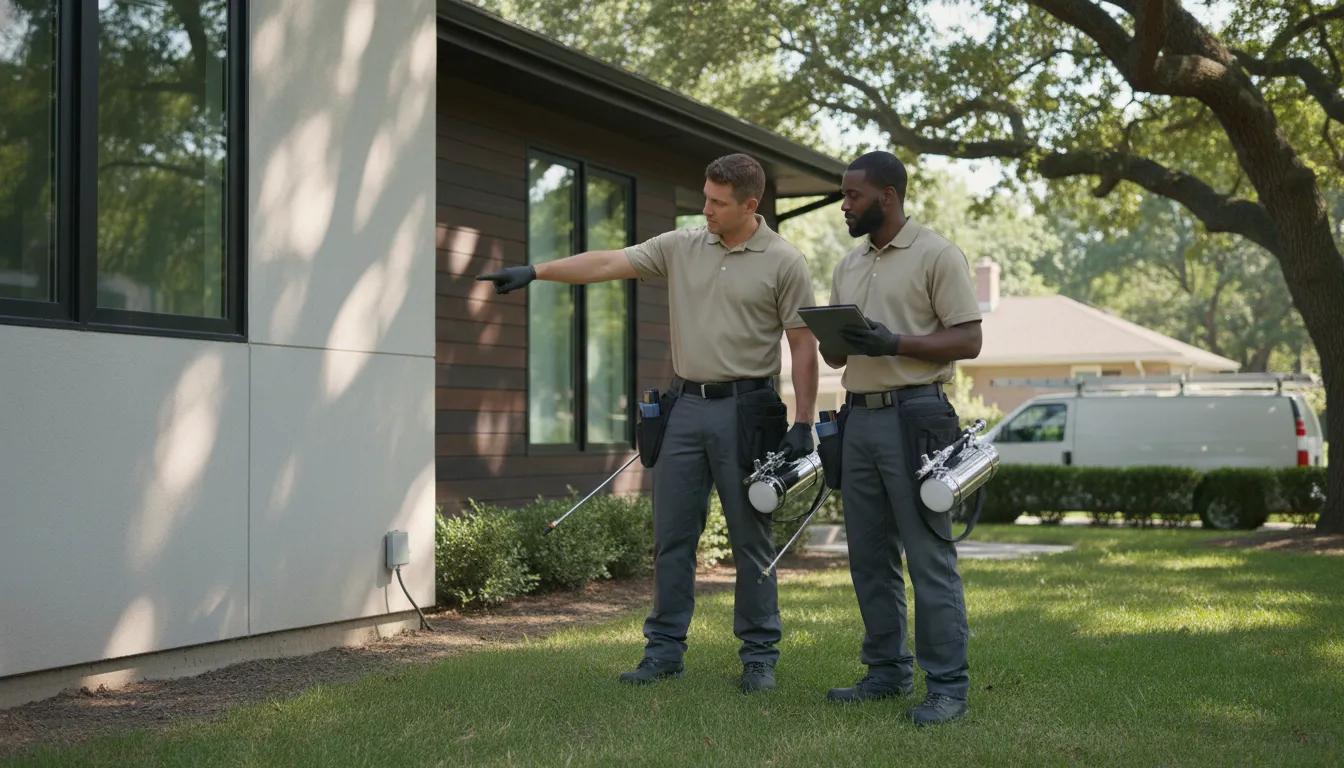
When it comes to bed bug treatment, choosing a local provider offers significant advantages, particularly in terms of response time. Local pest control companies can often react more swiftly to infestations, minimizing the potential for the problem to escalate. This prompt response is critical, as bed bugs reproduce quickly, and delayed treatment can lead to a more extensive infestation. Local providers typically have flexible schedules and can prioritize urgent cases, ensuring that residents receive the help they need without unnecessary delays.
Another key advantage is the local provider's familiarity with regional conditions. Every area has unique environmental factors that can influence pest behavior, including temperature, humidity, and common housing types. Local experts understand these nuances, enabling them to tailor their treatment plans effectively. This level of localized knowledge ensures that the strategies employed are not just generic solutions, but rather customized approaches that address the specific challenges posed by bed bugs in that community.
Additionally, choosing a local provider fosters a sense of accountability. Local companies rely heavily on their reputation within the community, which motivates them to deliver high-quality service and maintain strong relationships with their customers. This accountability ensures that residents can expect thorough follow-ups and ongoing support after treatment, enhancing the overall effectiveness of the bed bug management process. In contrast, larger, national chains may not offer the same level of personalized service, making local providers a more reliable choice for effective bed bug treatment.
Our Bed bug treatment Process
- 1
Identify infested areas
- 2
Prepare the treatment space
- 3
Choose appropriate treatment method
- 4
Apply insecticide or heat treatment
- 5
Seal cracks and crevices
- 6
Monitor for remaining bed bugs
- 7
Schedule follow-up inspections
What to Expect
Initial Contact and Assessment
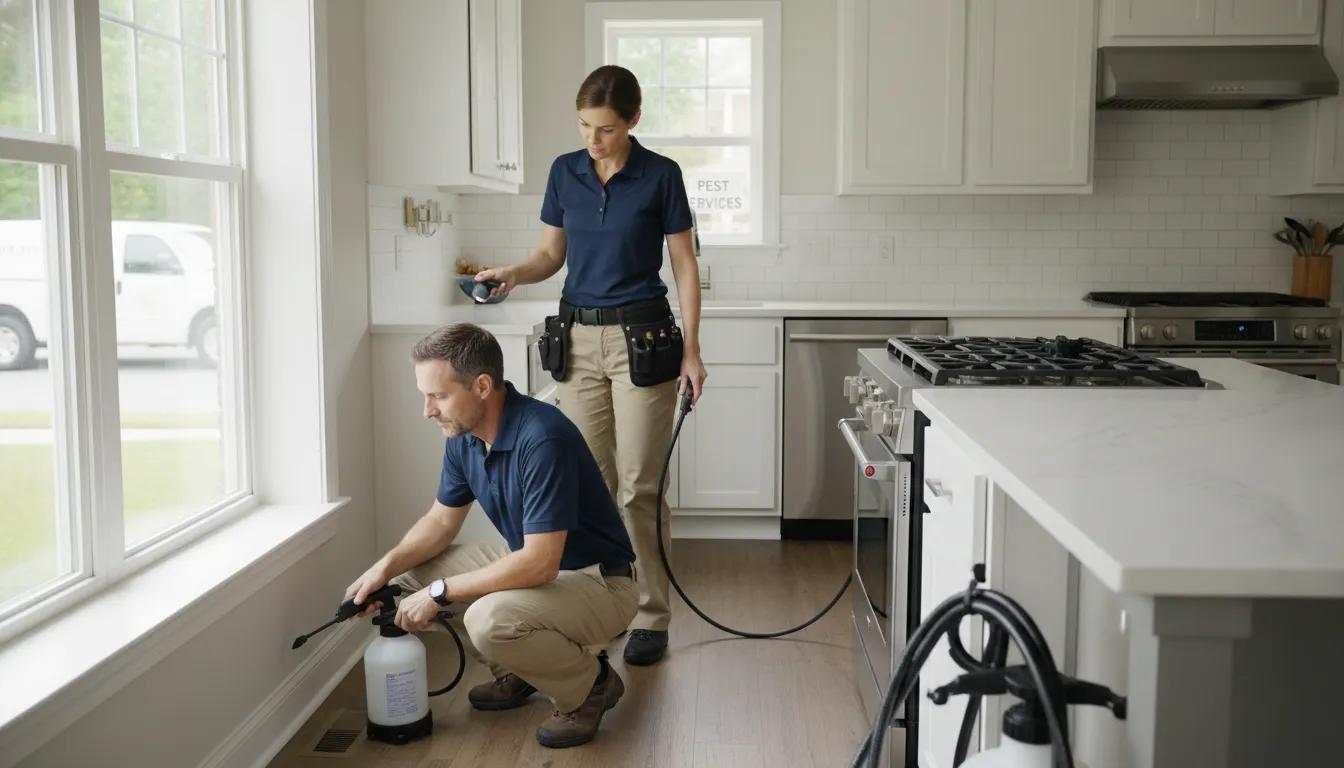
The bed bug treatment process begins the moment you reach out to us, either via phone or our website. Our friendly customer service team will guide you through the initial steps and schedule an appointment for a thorough assessment of your home. During this assessment, a certified technician will inspect infested areas, focusing on bedrooms, living rooms, and other potential hiding spots. They will look for signs of bed bugs, such as shed skins, fecal spots, and live insects. After the inspection, the technician will discuss their findings with you and recommend an appropriate treatment plan tailored to your specific situation.
Treatment Preparation and Execution
Before treatment, we will provide you with detailed preparation instructions to ensure the process is smooth and effective. This may include washing and drying bedding, vacuuming, and decluttering the areas to be treated. Once you're prepared, our team will arrive on the scheduled day with the necessary equipment and eco-friendly products. We typically use a combination of heat treatment and insecticides to eliminate bed bugs at all life stages. The heat treatment involves raising the temperature in the affected areas to a level that is lethal to bed bugs, while insecticides are applied to key hiding spots. This dual approach maximizes the effectiveness of the treatment.
Completion and Follow-Up
Once the treatment is complete, we will schedule a follow-up appointment to ensure that the bed bugs have been successfully eradicated. During this follow-up, our technician will conduct another inspection to confirm the absence of any remaining pests. We will also provide you with post-treatment guidelines to help prevent future infestations, such as regular inspections and proper mattress encasements. Rest assured, we are committed to your satisfaction and will be available for any additional questions or concerns you may have even after the treatment is complete. Our goal is to provide you with a pest-free home and peace of mind.

Common Reasons to Call
- Infestation from travel
- Secondhand furniture
- Neighbor's infestation
- Poor hygiene practices
- Overcrowded living conditions
- Frequent guests
- Unnoticed bites
- Lack of preventive measures
Frequently Asked Questions
What is bed bug treatment?
Bed bug treatment involves strategies to eliminate bed bugs from your home. We provide both heat and chemical treatments to effectively address infestations.
How does heat treatment work?
Heat treatment raises the temperature in your home to at least 135°F, killing bed bugs quickly. It’s a chemical-free option that is effective and fast.
Are chemical treatments safe?
Yes, our chemical treatments use residual pyrethroids that are effective against bed bugs. They do require follow-ups to ensure complete eradication.
How can I prevent bed bugs?
Preventing bed bugs involves regular inspections and maintaining cleanliness. Be cautious when traveling and check second-hand furniture before bringing it home.
How do I know if I need bed bug treatment?
Signs of a bed bug infestation include bites on your skin, rust-colored stains on bedding, and seeing live bugs. If you suspect an infestation, contact us for an inspection.